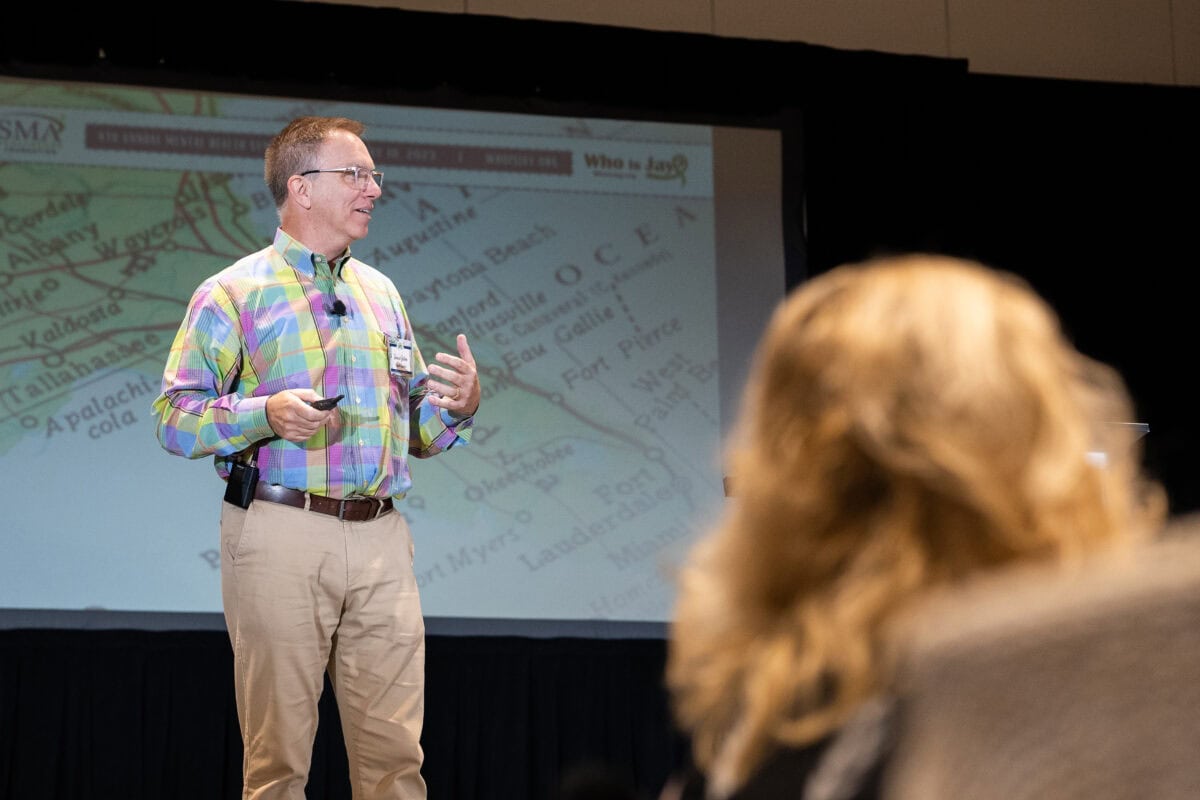

Suicide Prevention Speaker & Training FAQ
May 21, 2026
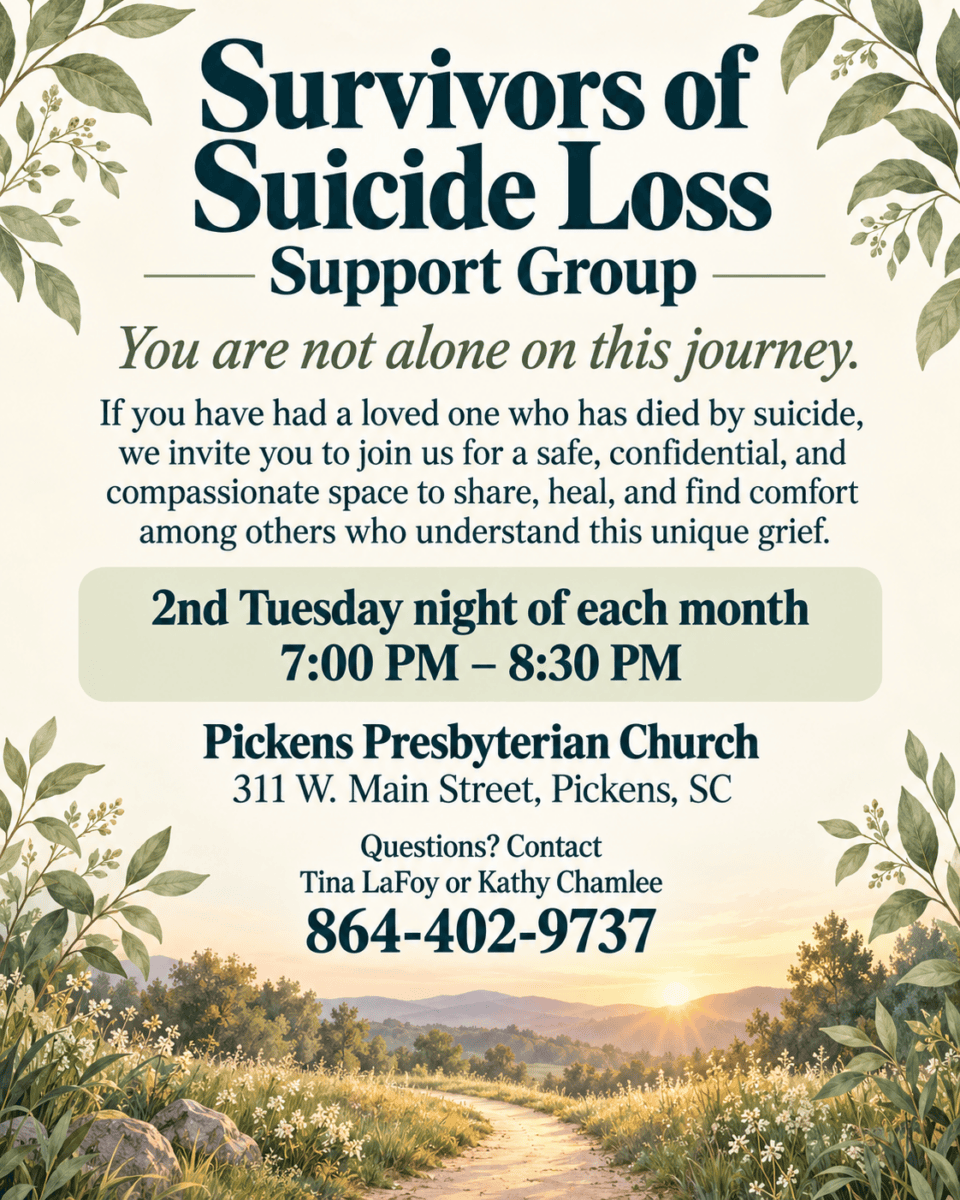
Survivor of Suicide Loss Meeting in Pickens, SC
October 20, 2026
Note: This blog was written by Lauren Hendry. She is interning for Dennis at the Half a Sorrow Foundation, and her bio is below!
—–
As a counselor-in-training at Clemson University, I’ve been challenged by the many wonders and questions that confront professional counselors in the field every day.
Recently, a particular thought-provoking question stuck with me. In my assessment course, my professor posed a question to the class: Why wouldn’t play therapy work for adults? At first, I thought it was a trick question. After all, isn’t playing something we leave behind with recess, birthday parties, and imaginary friends? Turns out…not at all. Play can certainly be utilized not just in the counseling/therapy space but in adults’ everyday lives!
Ever since that moment, I have been pondering this question, and it has made me question myself and the general idea of what play is. I wonder what the future will look like for me, now that I am 23 and becoming an adult. When was the last time I saw my parents play? Why aren’t adults playing more? How does play benefit me and others? As these thoughts planted seeds in my mind, I started doing some research and reflecting on my own life of play, and I found that there are many benefits to play, and most surprisingly, adults don’t outgrow the need for play–we forget how to make room for it. Before I dive deeper into what the research revealed, I first want to talk about what play actually is.
When I started looking into play and its origins, I discovered a definition that sums up the core principle. Johan Huizinga is an influential Dutch historian who developed his own play theory and defines play as “a fundamental, free, and voluntary activity standing completely outside ordinary life.” I appreciate this particular definition compared to the many others because it encapsulates the idea that play is part of who we are and it excludes our everyday responsibilities and tasks, such as entertaining your toddler with magnetic tiles or push walkers.
When we think about play, we tend to imagine younger children role-playing on the playground, dressing up as storybook characters, drawing with sidewalk chalk, and so much more. However, play is a much broader concept, and new research indicates that it is actually a way for adults to live longer and stay mentally healthy. In a study by Golland et al. (2025), researchers found that adults who play keep their brains active, which can help maintain attention, memory, flexibility, and problem-solving skills. This same study also highlighted the benefits for adults and their mental health. They found that adults who play experience more positive emotions, greater life satisfaction, lower stress levels, increased self-expression, and, most surprisingly, increased confidence. (If you’d like to dive into the research yourself, I’ve linked the study at the end of this post.)
If we know the benefits and reasons, we should play more. Why don’t we? What has stopped us?
This might be my favorite question.
Somewhere along the way, we quietly traded play for productivity, and a large part of that is rooted in societal expectations and developmental pressures to grow up.
As children, we’re encouraged to explore, be silly, and imagine. As adults? We’re encouraged to build resumes, make connections, and be professional. As young adults approaching college or the workforce, we are told to prioritize our current or future careers. Instead of prioritizing play, we are expected to study until late at night to secure an A on an exam the next morning or to spend our leisure time making 500 connections on LinkedIn. Somehow, being “busy” became a badge of honor. But what if we stopped to enjoy the moment more and let ourselves adopt a playful mindset? What if we weren’t so focused on the goal-oriented, competitive nature of adult play and activities? If we focus on how fast we ran, how many points we won over an opponent in pickup basketball, or hiking just to share a picture on social media once we reach the top of the mountain. There’s a quote in a podcast called Mentally Stronger with therapist Amy Morin, who brought on a play expert, Cas Colema, who says, “We are taught to be outcome-minded…we learn to take a test. We play sports to win or be good at…we often stop doing something we love because we’re not excellent at.”
We need to slow down and take in what’s around us. According to Cas Colema, we achieve this playful attitude by embracing possibilities, maintaining a playful mindset, releasing feelings of being judged by others, and reframing what success means to us.
Furthermore, as adults, we tend to get caught in a loop of our 9-5 desk jobs, providing for our families, keeping up with our children’s busy schedules, and forgetting about ourselves. Many adults may react to this blog and say to themselves, “Well, I don’t have time for play.” Once childhood and young adulthood are over, we experience major transitions. We are forced to put on different hats, such as spouse, parent, grandparent, caretaker, manager, coworker, neighbor, church leader, PTO member, volunteer, and carpool driver, among others. It’s more than likely you’re wearing multiple of these hats at one time. You may be wearing all of them. My point is that as we age, we take on these responsibilities and then forget one of the most fundamental aspects of being human: playing!
Now time for the fun part, talking about ways adults can play! I want to talk about ways I play in my everyday life. I really enjoy playing outdoors, and some of my favorite ways to play are going on long leisurely walks, splashing around in a pool pretending I’m a mermaid with an iridescent tail, and picking wildflowers and making small, intimate bouquets. I also thoroughly enjoy assembling nature LEGO sets, working on puzzles, and my guilty pleasure, Mario Kart. These are all examples of what play can look like in your life. The key is to find what interests you, what you nerd out about, and something that can be fun and freeing! If you can find your form of play, the final step is to prioritize it!
Finally, I want to leave you with some questions to reflect on:
What do you do to play?
When was the last time you played?
When you did play, how did it feel?
How could we incorporate play today?
Want to Learn More?
If this topic sparked your curiosity, here are a few resources I found helpful while researching adult play:
Golland, Y., et al. (2025). *The Power of Play: A Systematic Review of the Effects of Play on Adult Health and Well-being.* https://pmc.ncbi.nlm.nih.gov/articles/PMC11842457/
*Mentally Stronger with Therapist Amy Morin.* Episode: “Why Adults Need More Play with Cas Coleman.” Available wherever you listen to podcasts.
*The Play Based Learning Podcast* Episode: “The Importance of Play for Adults with Reagan Fulton.” Available wherever you listen to podcasts.
*Energy Works* Episode: “Why Adults Need to Play with Lauren Walker.” Available wherever you listen to podcasts.
—–
Written by: Lauren Hendry
Lauren Hendry is a clinical mental health counseling graduate student at Clemson University and a counselor-in-training. She is passionate about making mental health research accessible and exploring creative, evidence-based approaches to well-being. Her interests include play, resilience, trauma-informed care, family-oriented counseling, and more. Lauren has experience with the college student population through her most recent counselor-in-training practicum work with the College of Engineering at Clemson. Lauren’s future goals as a counselor are to become a licensed professional counselor who helps individuals grow through creative, grounded, and person-centered care.